

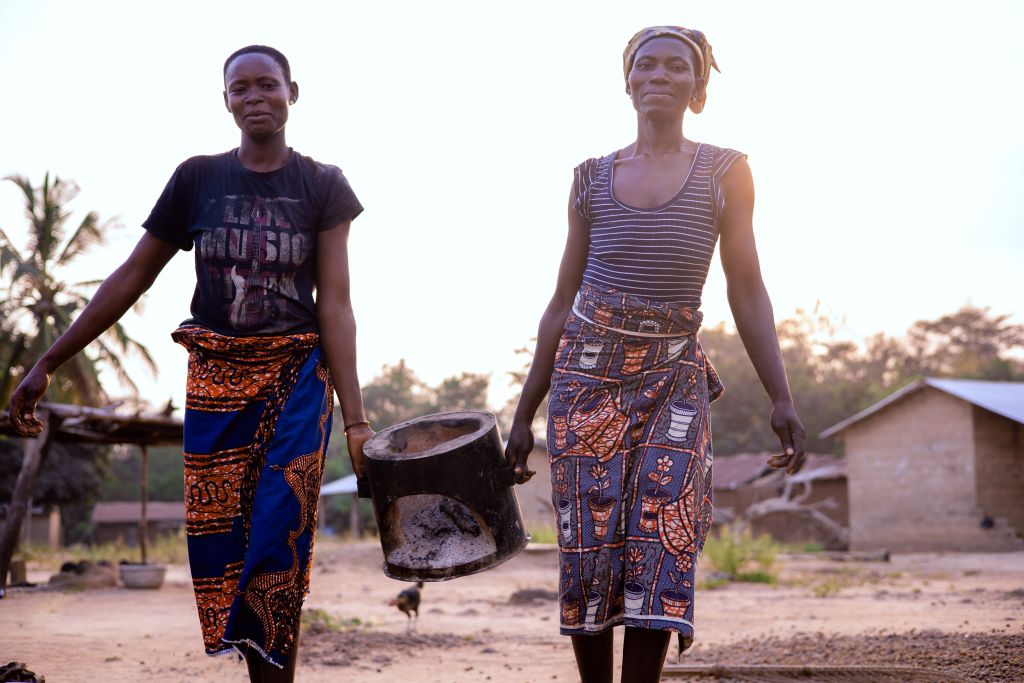
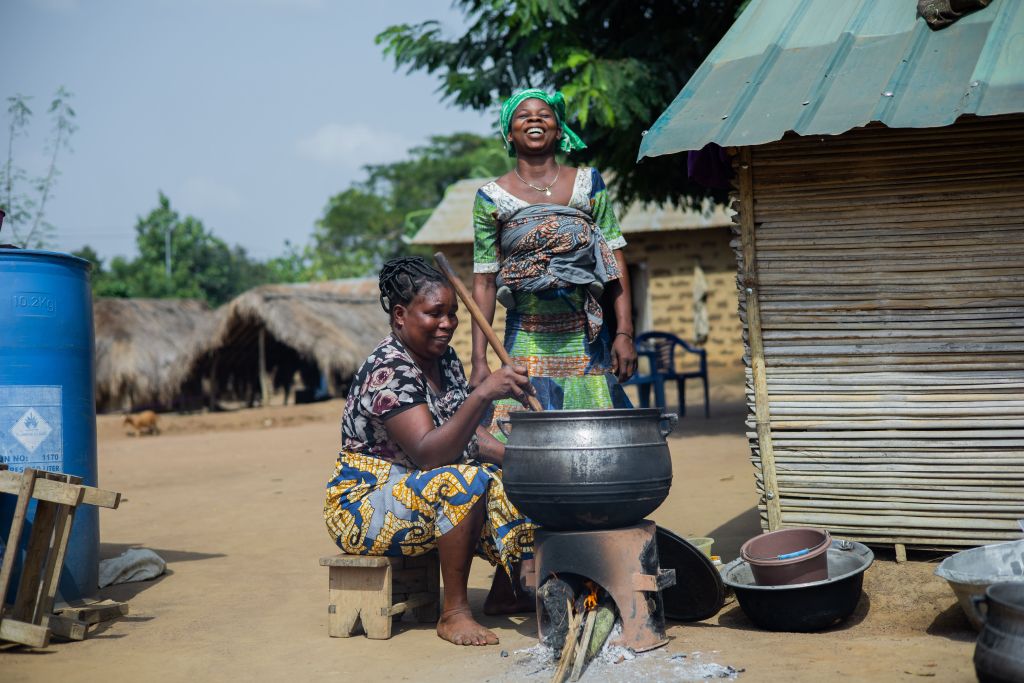
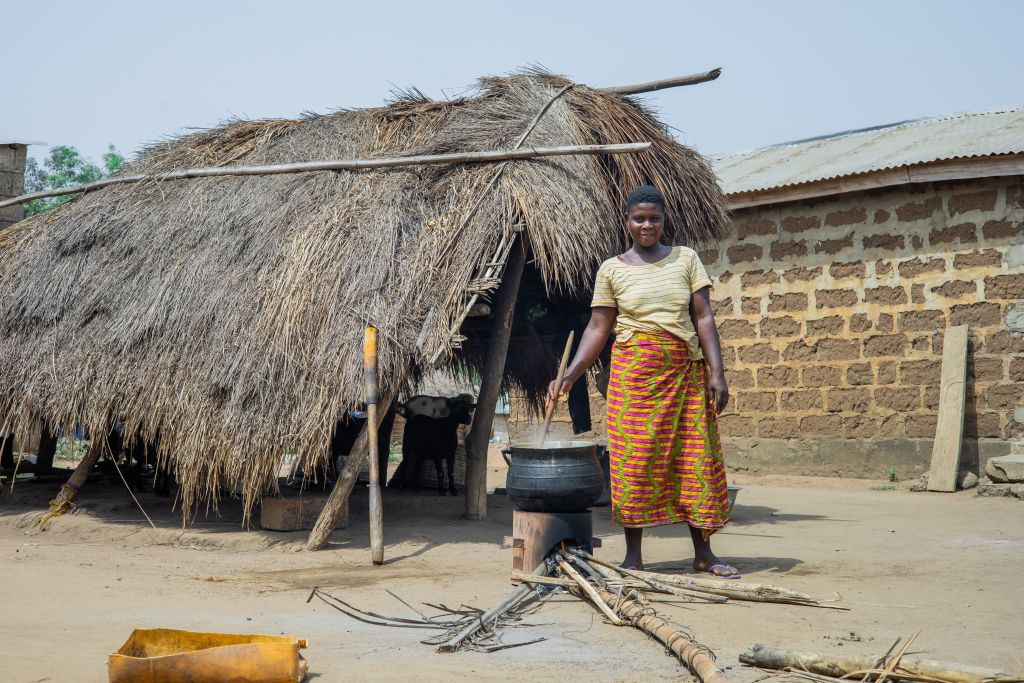
In the rural communities of West Togo, cooking over an open fire is a daily reality for most families. However, it is also one of the biggest sources of pressure on local forests, household health, and on women’s time, who often bear the greatest burden of firewood collection.
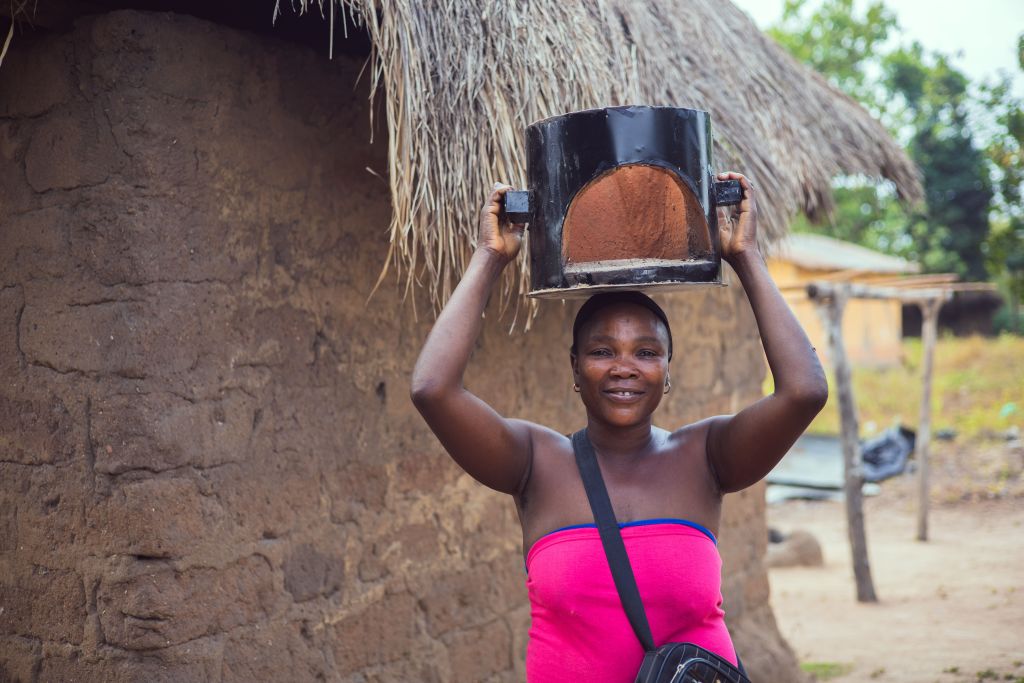
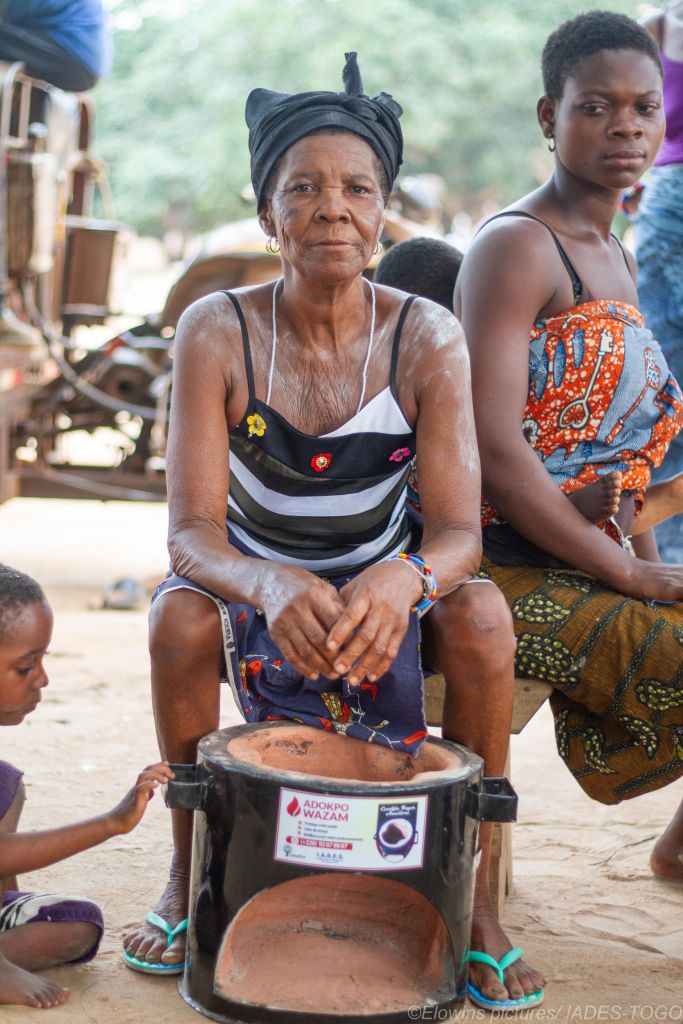
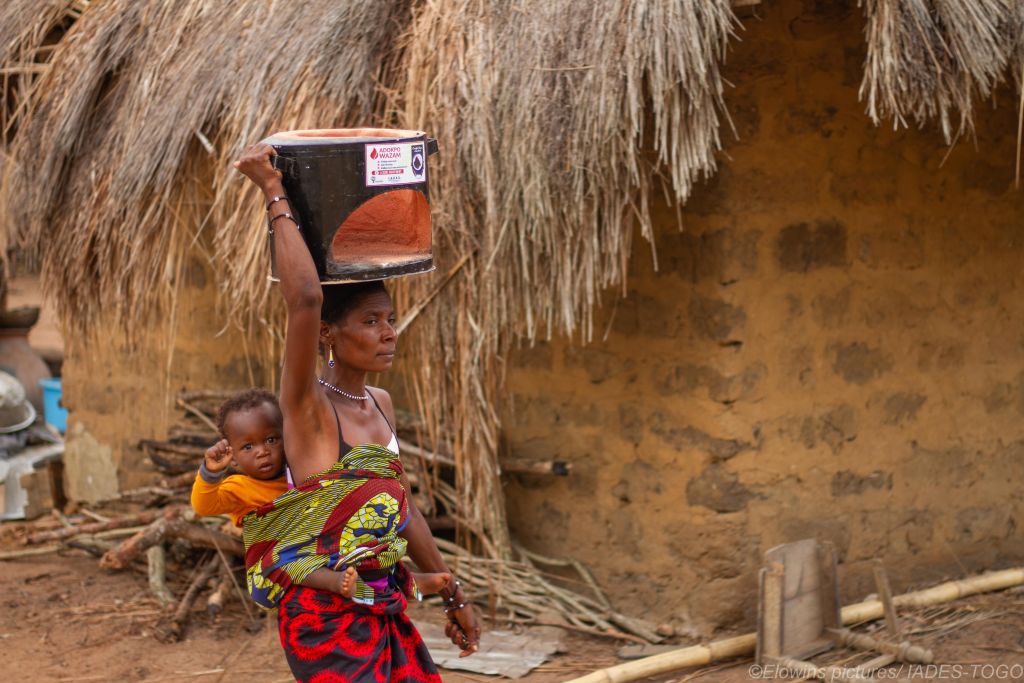
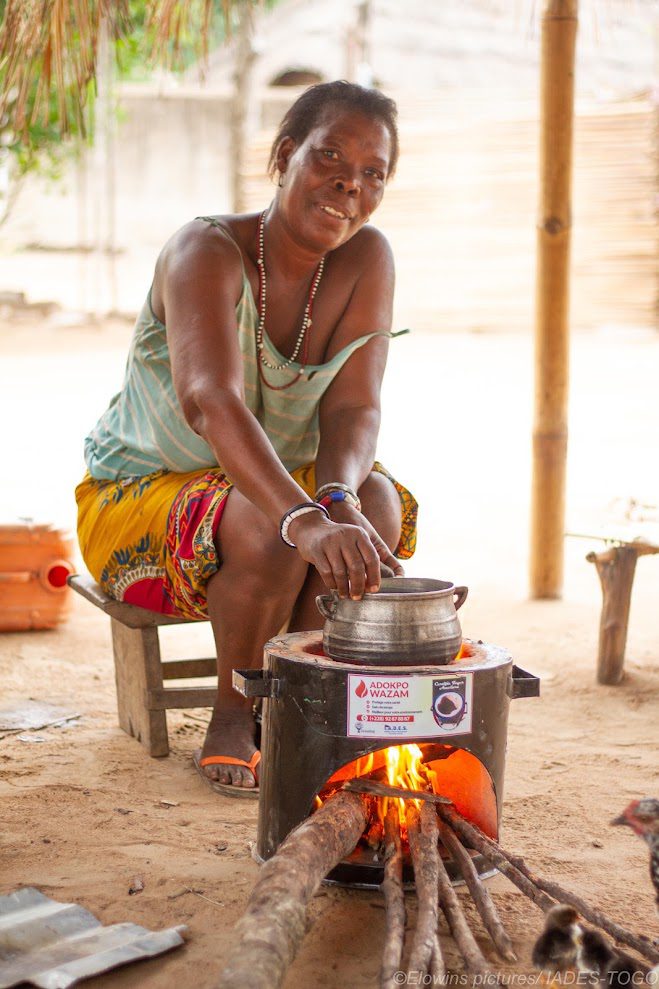
Improved cookstoves offer a practical way to reduce fuel usage while fitting with familiar cooking practices and traditions, making adoption straightforward and impact sustainable. When well designed and properly monitored, the results are measurable. This project delivers estimated reductions of 1.3 tCO₂e per household per year, and in 2023 established a local workshop in Togo to support the manufacture, assembly, and maintenance of the stoves within the community itself, embedding long-term resilience into the project from the ground up. The result is real: lasting change for both people and planet.
Benefits: Climate & Environment
The projects annual emission reductions are estimated to be 1.3 tCO2e per household per year.
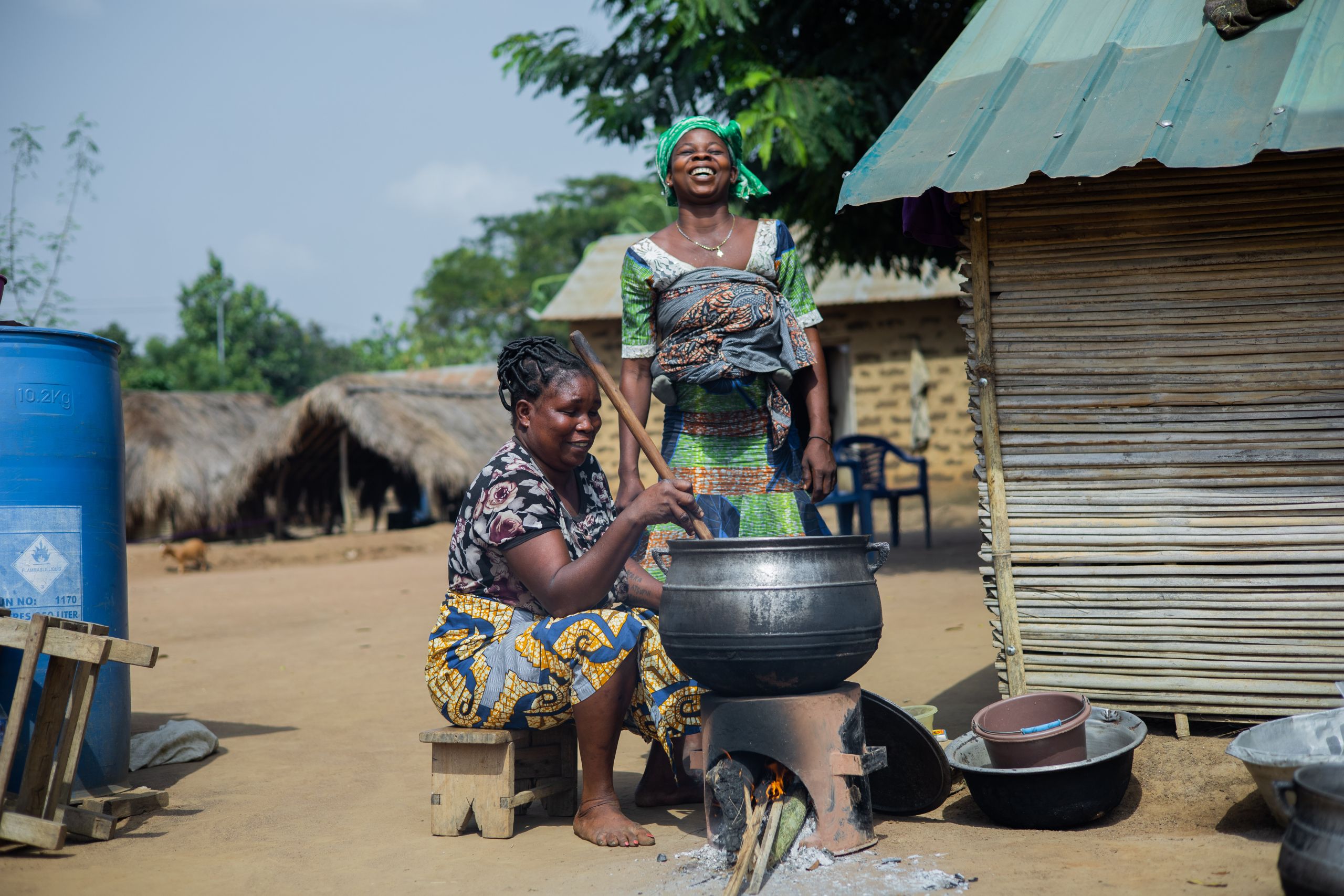
- Reduced Fuel Consumption: Improved cookstoves burn significantly less firewood to achieve the same cooking results, cutting household emissions and reducing the daily demand placed on surrounding forests.
- Verified Emissions Reductions: All greenhouse gas reductions are independently verified under the Gold Standard framework, ensuring every credit represents a real and measurable impact.
- Forest Protection: Lower demand for firewood eases pressure on local tree cover, slowing deforestation and helping to preserve the biodiversity of the forests that surround these communities.
- Cleaner Air: More efficient combustion means less smoke and fewer particulates released into the immediate environment, improving air quality at both household and community level.

Benefits: Social & Economic
Beyond its climate credentials, the Togo Cookstove Project delivers significant benefits to agriculture, rural industries and employment across the region, creating meaningful and lasting change for some of West Africa’s most underserved communities:
- Health Improvements: Reduced smoke exposure leads to fewer symptoms such as coughing and eye irritation, with meaningful long-term benefits for the respiratory health of women and children who spend the most time near the cooking fire.
- Time Savings: More efficient stoves require less firewood, reducing the hours spent on fuel collection each day. For women and girls, who bear a disproportionate share of this responsibility, the time freed up can be redirected towards education, income generation, and family life.
- Local Employment: The project creates jobs through its delivery and monitoring operations, as well as through the local cookstove workshop established in 2023 to support manufacture, assembly, and maintenance within the community.
- Skills and Training: Vocational and skills-based training is provided for project staff, building local capacity and embedding long-term resilience into the project.
- Women’s Empowerment: The project actively supports women’s leadership and empowered participation in community decision making, recognising that lasting change requires women’s voices at its centre.
Project Verification