

“3-Dimensional” Carbon Credits: On The Ground In Kenya
Our Managing Director, Rachel Goult, has recently returned from one of the most inspiring trips of her career: a 3-day visit to the Mikoko Pamoja & Vanga Blue Forest Mangrove projects in Southern Kenya, two of the projects from which Yacht Carbon Offset offers carbon credits to its yachting clients.
The experience was both inspiring and humbling, a genuine immersion into another world: walking the mangrove sites, breathing the salt air, and seeing firsthand the social projects that have been brought to life by the funds generated from carbon credit sales. These are not abstract environmental initiatives viewed from a distance. They are living, breathing ecosystems, and the communities around them are tangible proof that carbon offsetting, done right, genuinely works.
The following is a personal account from Rachel, sharing her experiences in Southern Kenya. Her reflections provide a vivid insight into the extraordinary role these mangrove ecosystems play, and the real difference they are making to the communities that depend on them.
Bringing Carbon Credits Alive
Prior to my trip, I had no doubt that these two projects have a wide-reaching impact on the region and its local communities. I had carried out thorough due diligence before offering these credits to Yacht Carbon Offset’s clients. I had reviewed the Plan Vivo project documentation, read the newsletters, studied the reports and seen the photographs. But nothing prepared me for being on the ground. My understanding of these projects transformed, quite literally, from 2-dimensional to 3-dimensional.
And what a transformation it was. Before I get to the social projects and the community stories, because those need and deserve their own space, I want to talk about the mangroves themselves. Because until you stand among them, it is very easy to underestimate what they are actually doing. These are not ornamental coastal plants. They are one of the most powerful and most undervalued ecosystems on the planet, and seeing them in person makes that abundantly clear.
Carbon Sequestration & Beyond: Why Mangroves Matter
Mangroves are coastal trees and shrubs that grow along tropical and subtropical shorelines, uniquely adapted to thrive in conditions that would defeat most vegetation. When mangrove leaves, branches, and roots die and fall, they are buried in waterlogged, oxygen-poor sediment. Unlike normal soil, decomposition in these anaerobic conditions slows to almost nothing, locking carbon away not for decades, but for centuries and even millennia. This is what scientists refer to as “blue carbon.”
The numbers are striking. According to NOAA, mangroves sequester carbon at a rate around ten times greater than mature tropical forests, and according to Down to Earth, a single hectare can store up to 1,000 tonnes of carbon. But their value extends well beyond carbon storage. Mangroves protect coastlines from storm damage and sea level rise, prevent shoreline erosion, and provide critical habitat for commercially important fisheries, sustaining the livelihoods of coastal communities that have depended on these waters for generations.
Despite this, mangrove ecosystems are among the most threatened on Earth. When destroyed, that centuries-old carbon store is released back into the atmosphere, compounding the very problem these ecosystems exist to solve. It is precisely this reality that makes the work of the Mikoko Pamoja and Vanga Blue projects so important.
The Human Side: Community & Social Projects
The first driver for the creation of these coastal marine carbon projects is the protection of the local ecosystem. Under the guidance of the Scottish charity, The Association of Coastal Ecosystem Services (ACES), the communities came together with a shared purpose: to protect their mangroves from exploitation and destruction.
But that is easier said than done. For generations, these communities have depended on the mangroves as a ready and accessible resource: firewood for cooking, fishing grounds close to shore. Asking people to step back from that requires more than a conservation rulebook. It requires trust, education, and a genuinely compelling reason to change behaviour. That reason has come in the form of meaningful, tangible social investment, funded directly by the revenues generated from carbon credit sales. Community education and engagement have been absolutely fundamental to the success of these projects, and the delivery of visible, real-world social benefits is what has made that engagement stick.
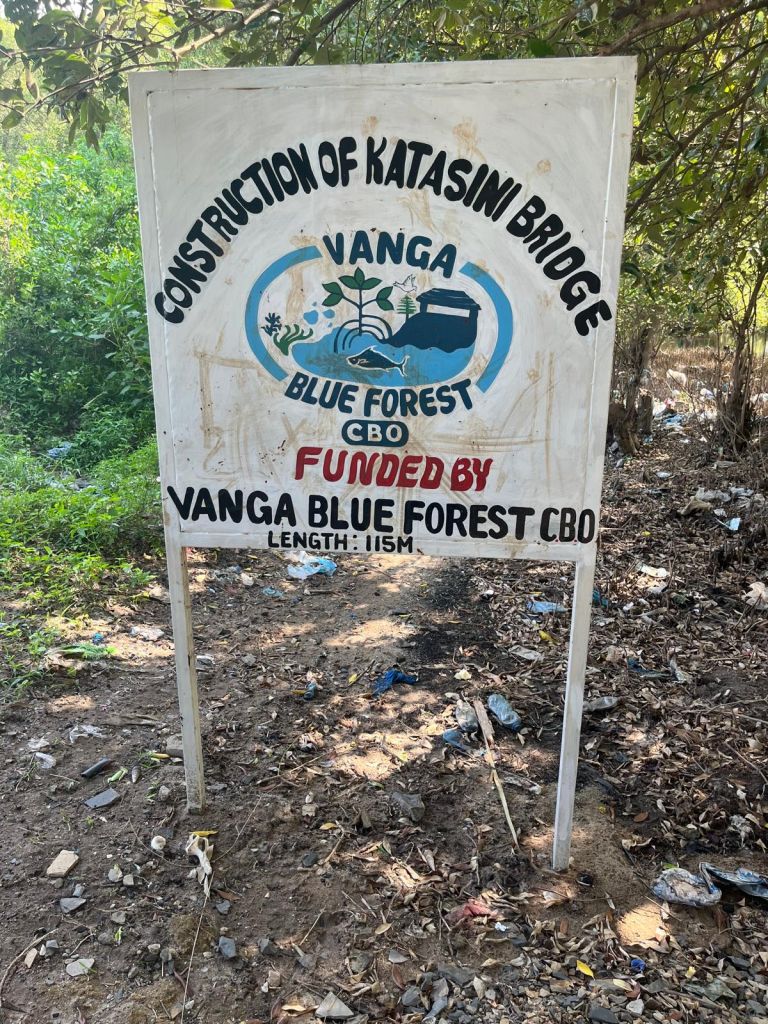
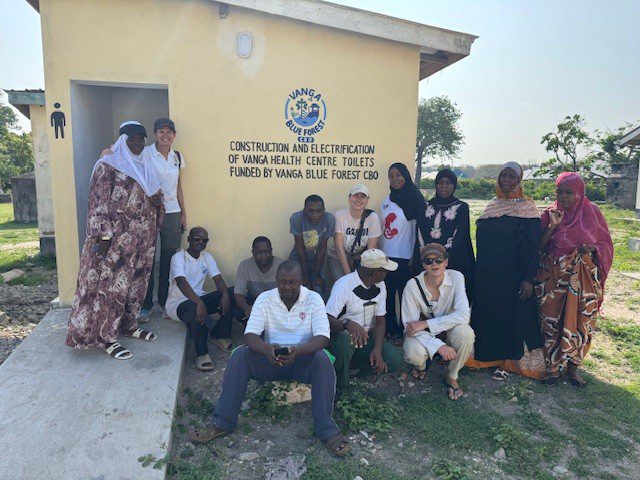
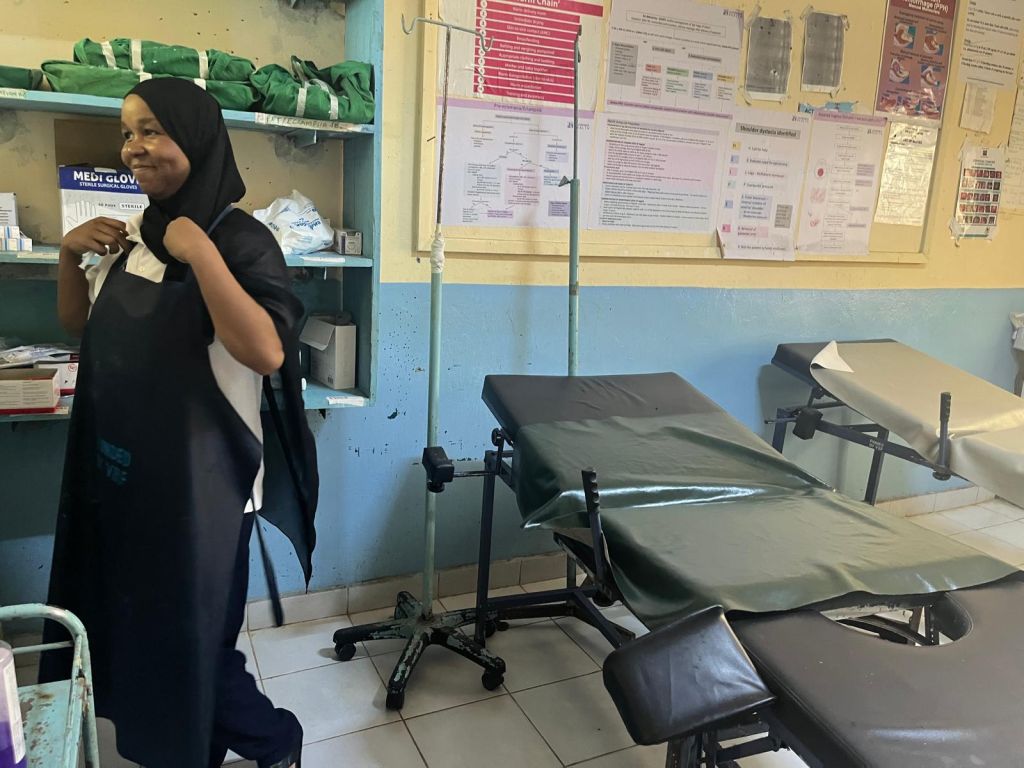
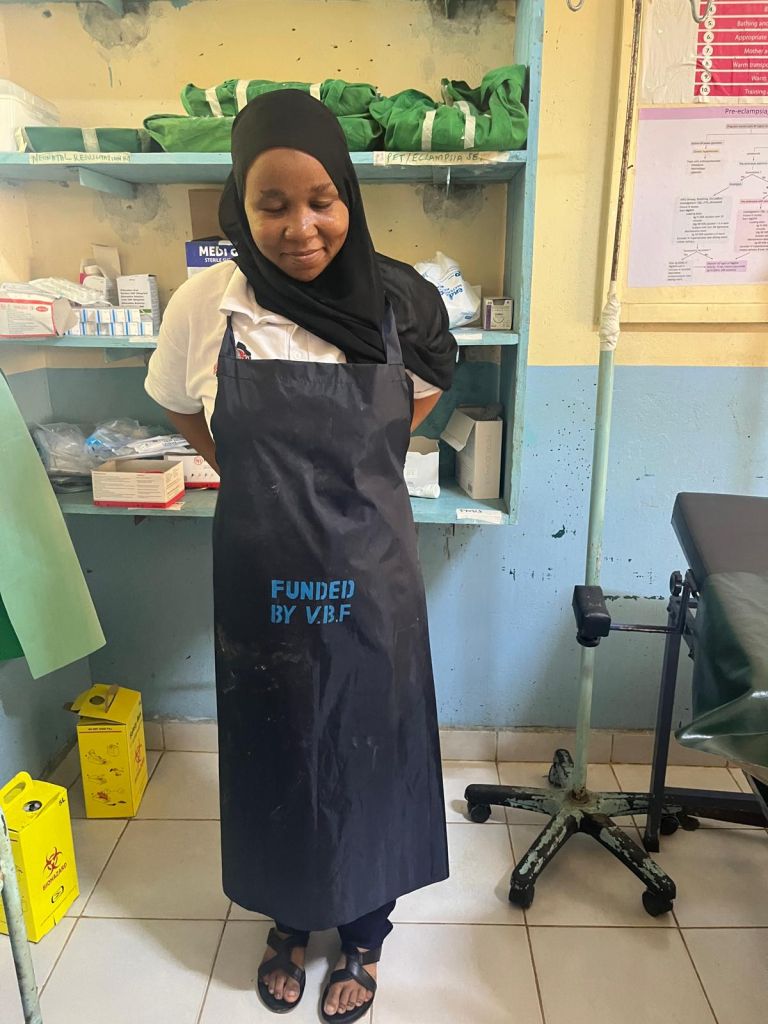
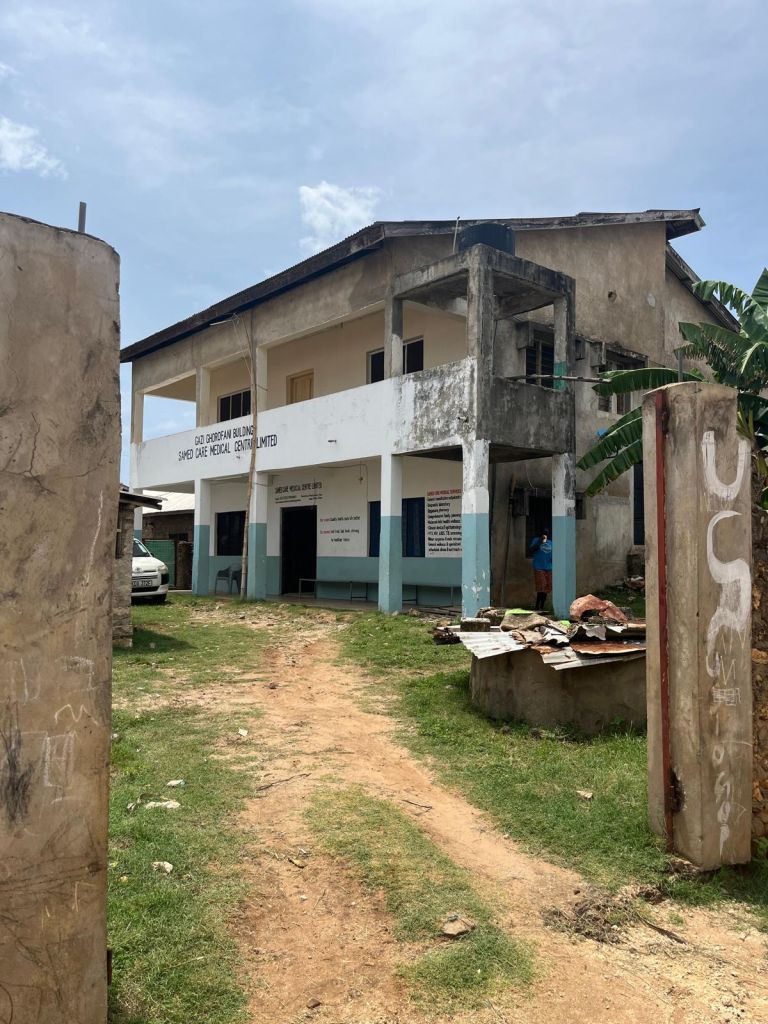
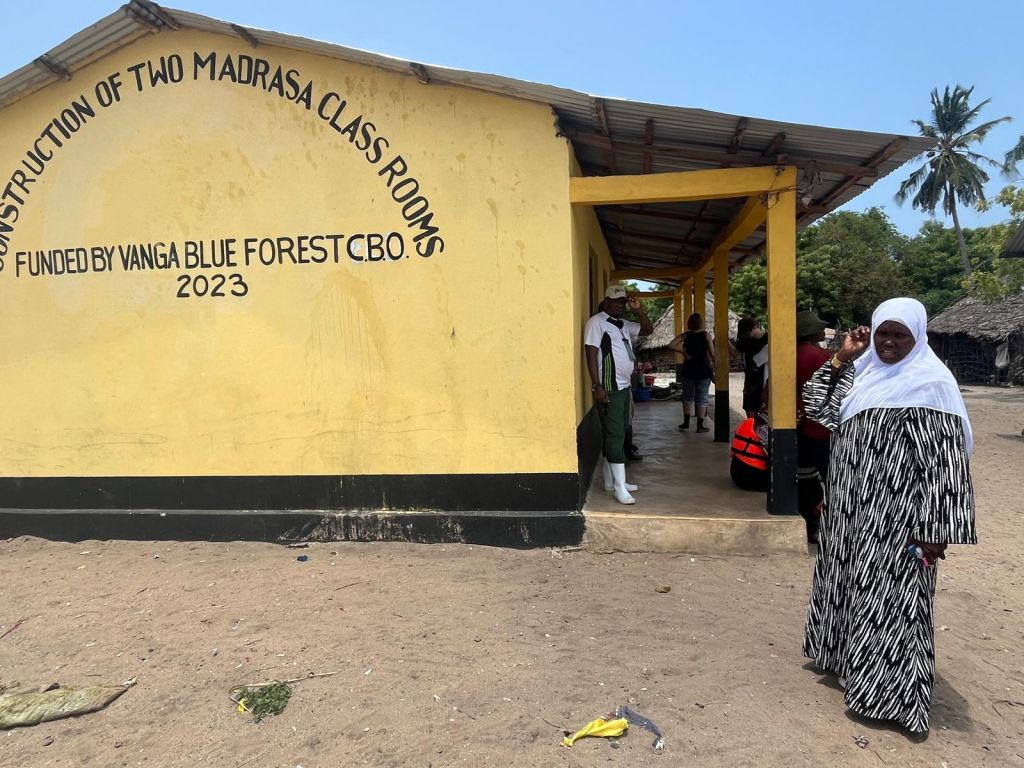
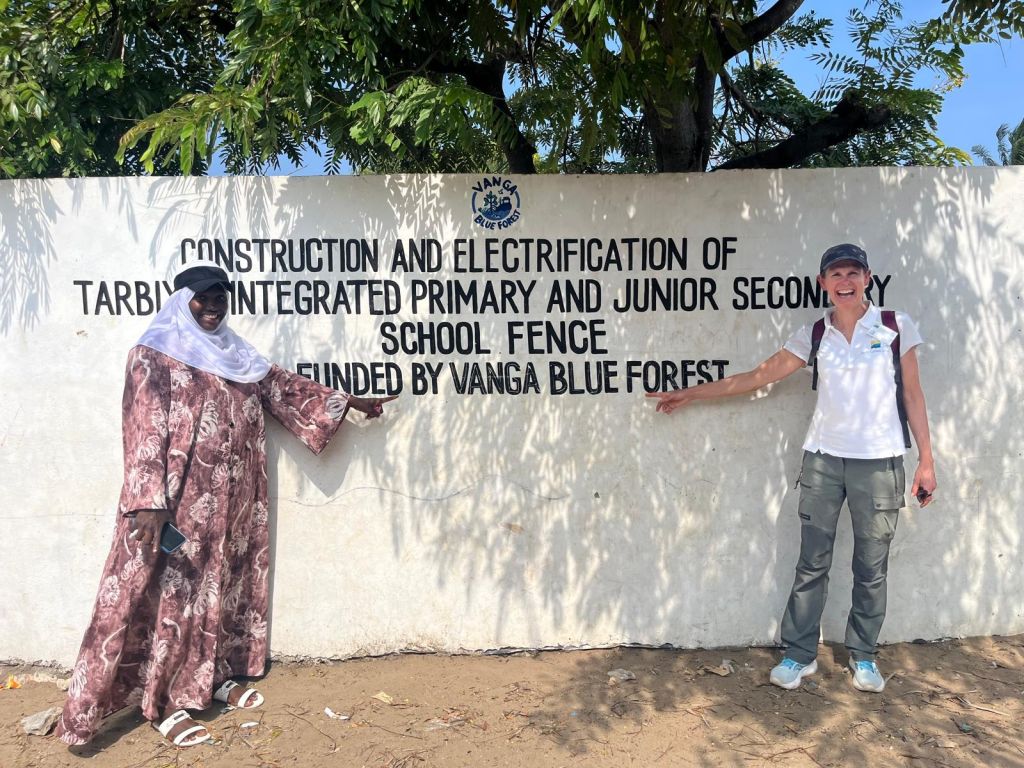
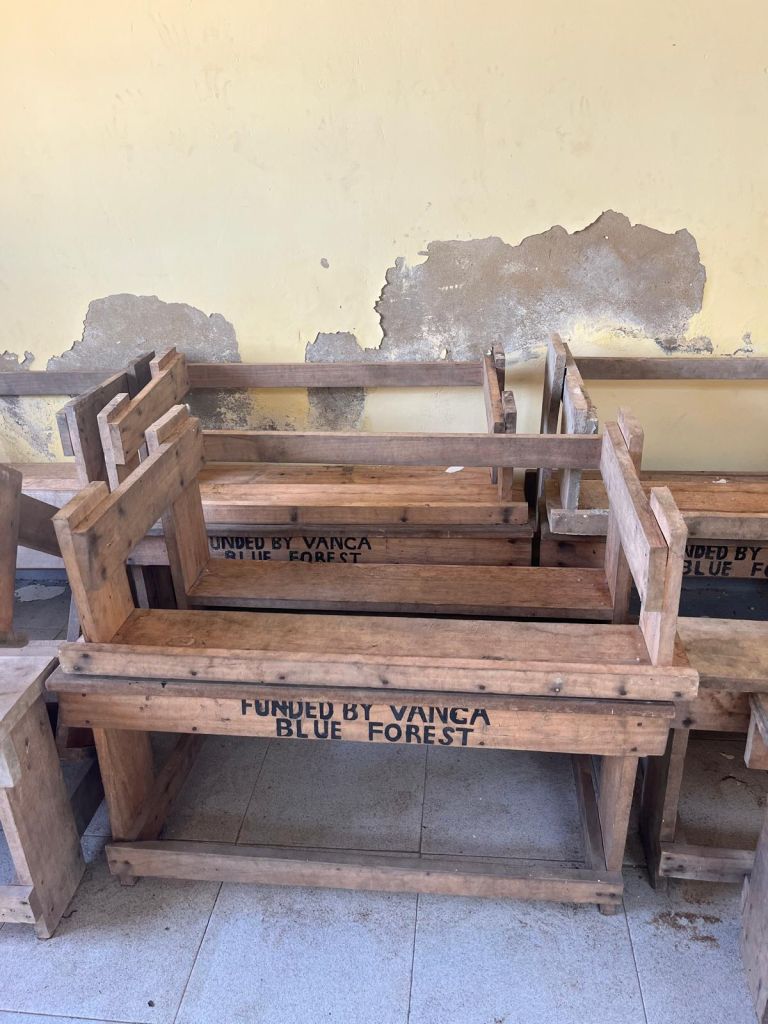
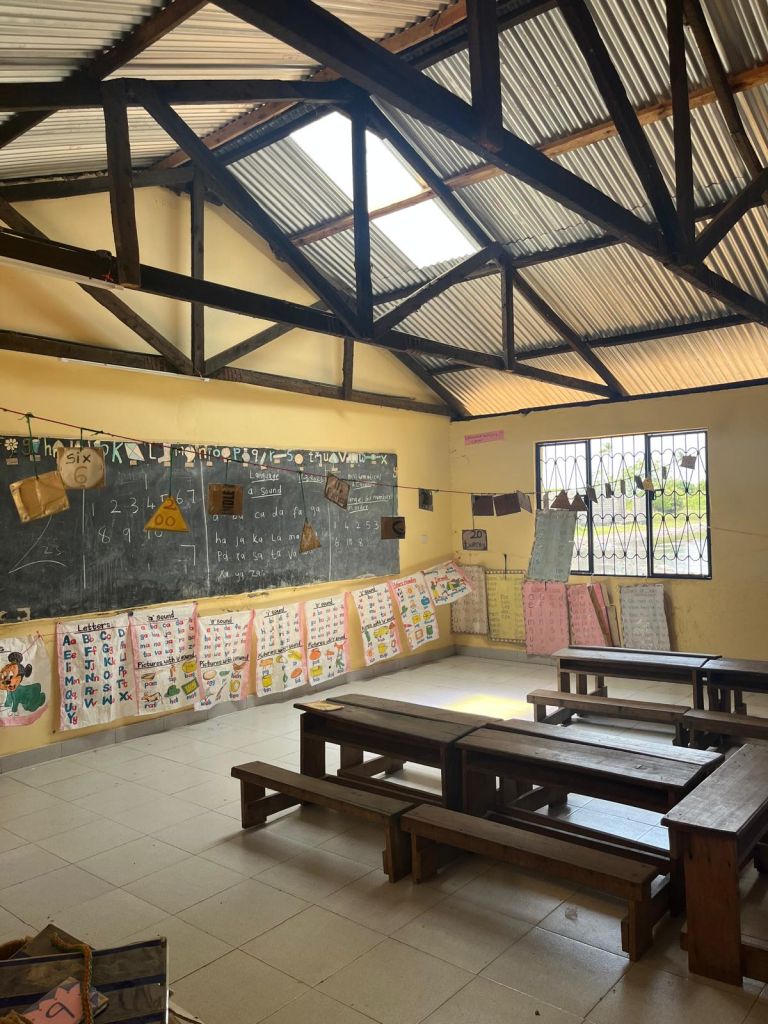
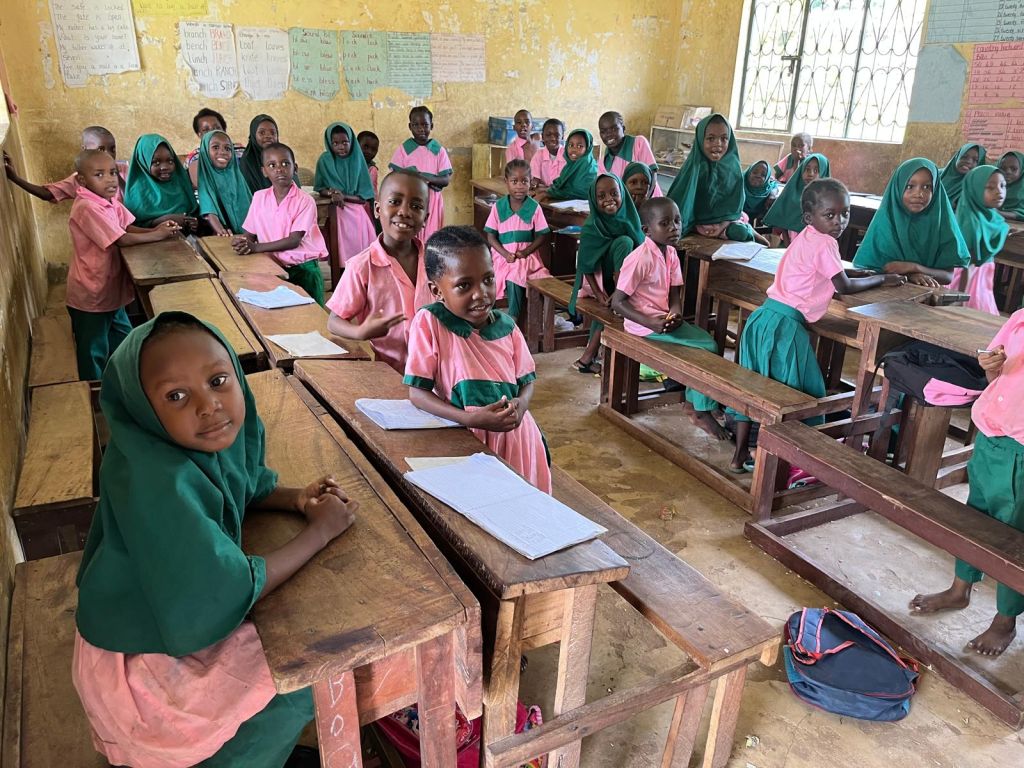
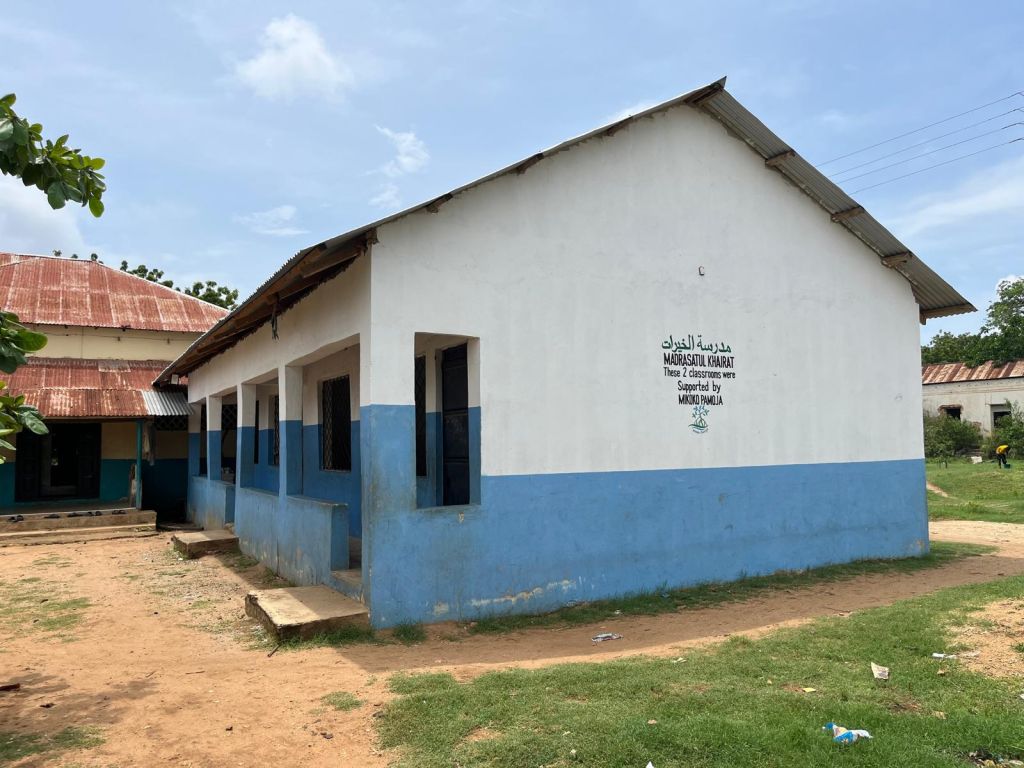
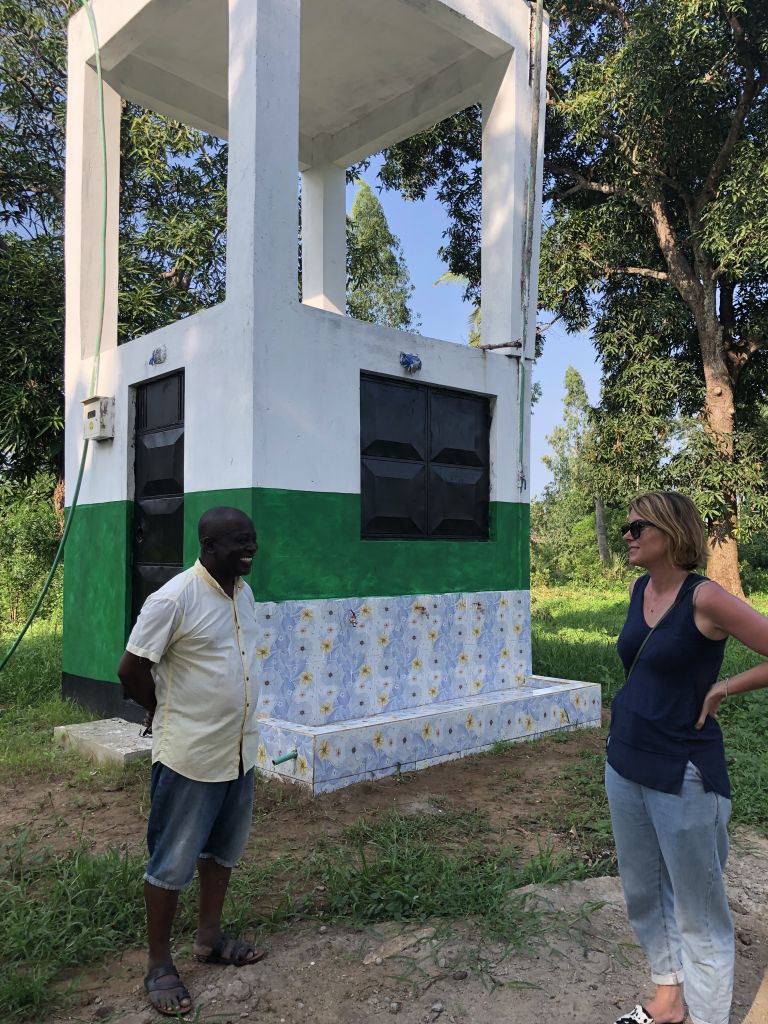
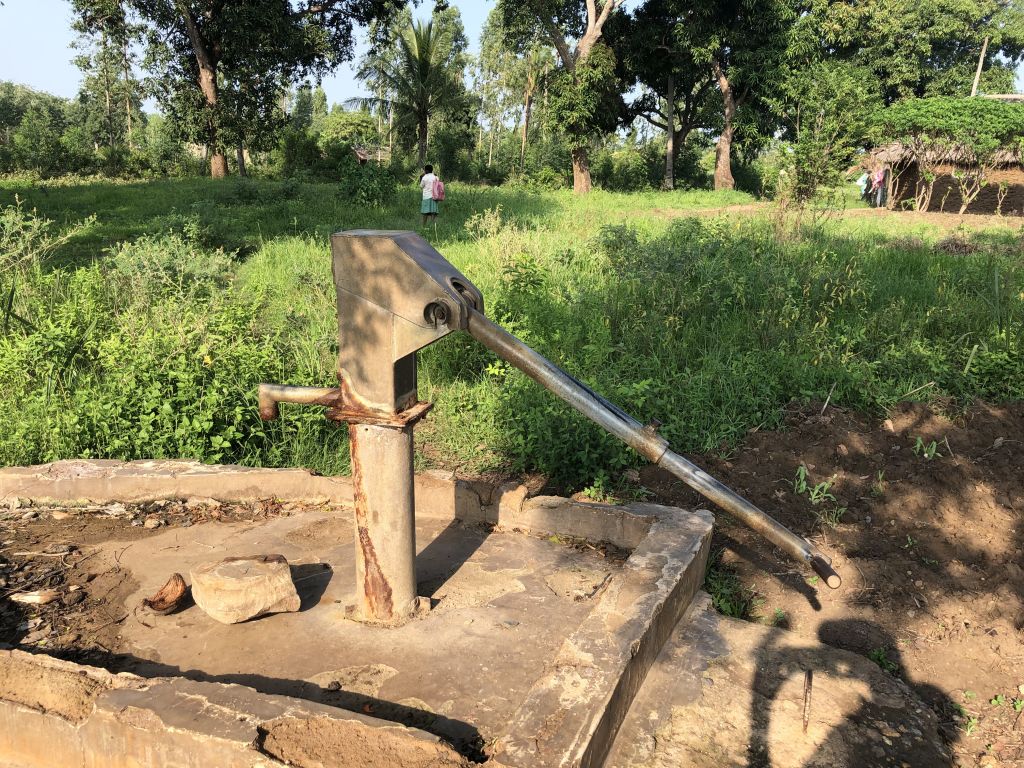
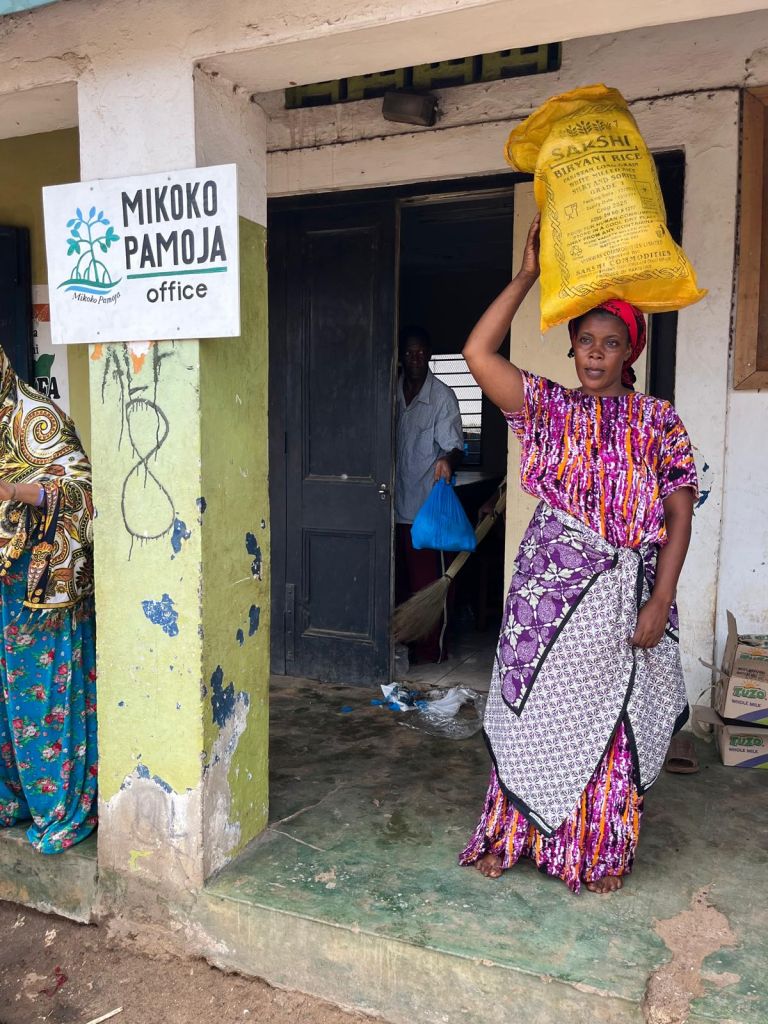
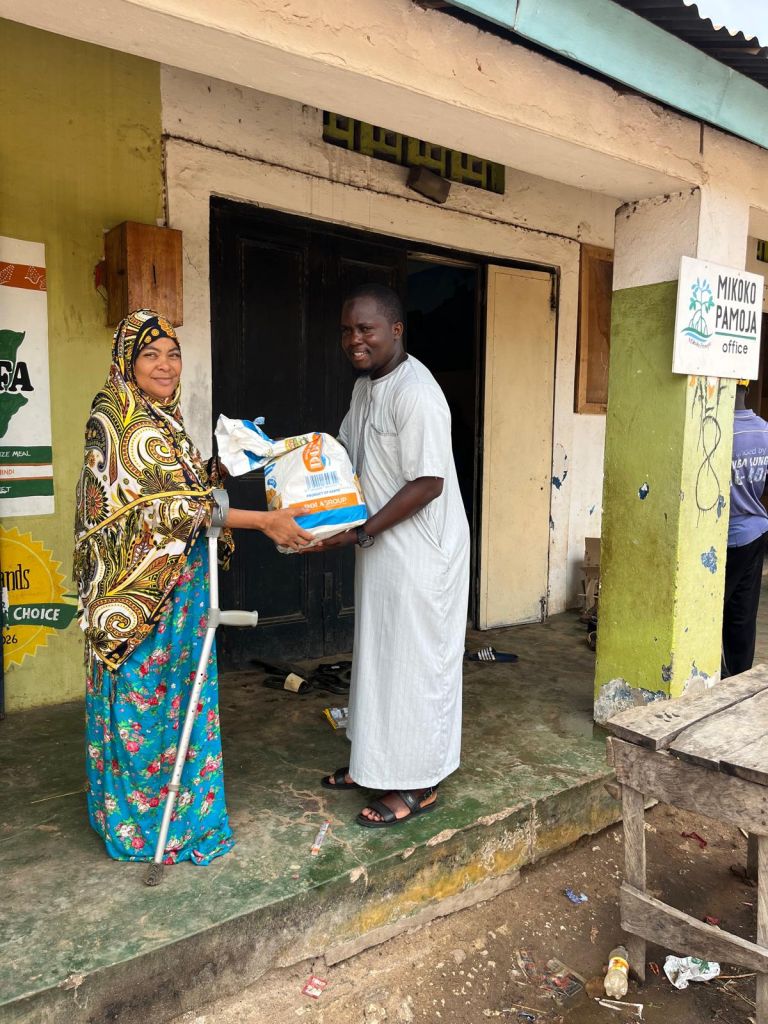
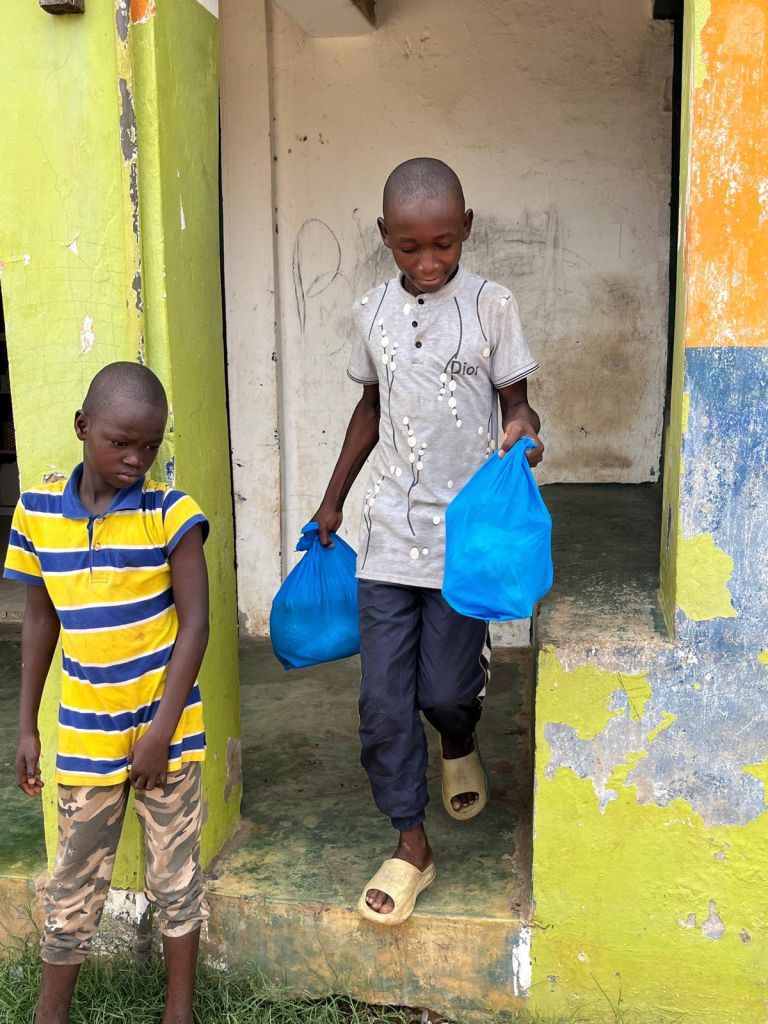
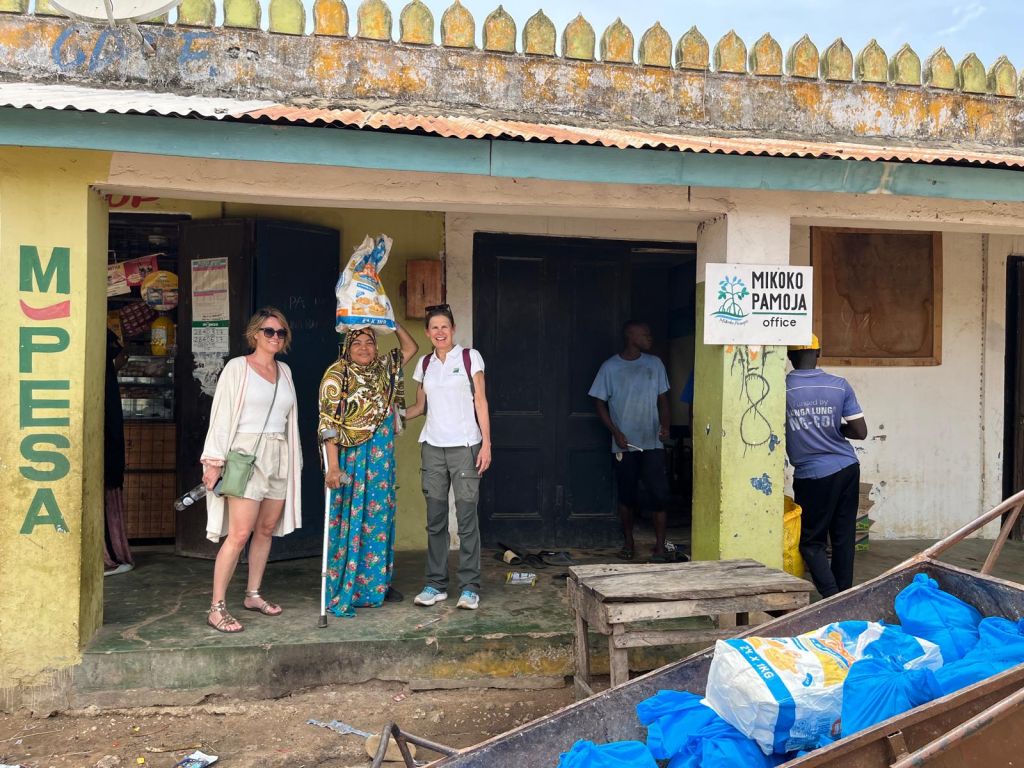
The revenues generated from the sale of carbon credits are channelled into a wide range of local social projects, spanning education, health, sanitation, water and infrastructure. During my three days on the ground, I saw the bricks and mortar, and I saw the smiles. Here are just a few of the projects that have been delivered:
- Katasini Bridge (2025): A 115-metre bridge connecting two sides of a community previously separated by a swampy, impassable stretch of land. For the people who cross it every day, this is genuinely life-changing.
- Local Hospital Projects (2024): A new toilet block at the local health centre, three maternity beds, and a supply of much-needed medical equipment and supplies.
- School Classrooms (2023): Two new Madrasa classrooms and the construction of a perimeter fence for Tarbiyah School, giving children a safer, more stable environment in which to learn.
- Well Project (2025): A modernised well in Kiwegu Village, improving access to clean water for the wider community.
- Food Distribution (2026): Food aid distributed directly to the most vulnerable members of the community, where the need is greatest.
Each project, on its own, tells a story. Together, they tell a far bigger one.
Third-Party Oversight: Ensuring Every Shilling Counts
As a purchaser of carbon credits, it is our responsibility, and our obligation to our clients, to be certain that the funds we direct to these projects reach the people who need them most, and that they are spent with integrity.
In the case of Mikoko Pamoja & Vanga Blue, the sale of carbon credits is managed by ACES, an organisation that places financial transparency and accountability at the very heart of what it does. This professional governance structure means that every Kenyan Shilling raised through carbon credit sales is tracked, reported, and deployed for maximum impact.
Crucially, it is the local communities themselves who decide how their money is spent. Each village elects a representative to sit on the project committee, which comprises twelve members and a chair. This grassroots model of decision-making is not just good governance. It is the foundation of trust. When communities feel genuine ownership over a project, they invest in its success. And that, ultimately, is what makes these projects last.
Last Words
After three days in Southern Kenya, I cannot overstate the material difference that the funds raised from Mikoko Pamoja and Vanga Blue carbon credits are making to the people who live alongside these mangroves. Yes, these projects play a vital role in sequestering carbon and protecting a fragile and irreplaceable ecosystem. But they do so much more than that. They build bridges. They equip maternity wards. They put roofs over classrooms. They bring clean water to villages. They feed families.
My next challenge, and one I feel more energised about than ever, is to bring this message clearly and convincingly to the superyacht community. When we walk the marinas and the yacht shows, we are still too often met with scepticism about the real-world role of carbon credits. So let me be unambiguous:
Carbon credits change people’s lives for the better.
have seen it with my own eyes. I have stood in the mangroves, crossed the bridge, and met the people. And I will keep saying it until the whole fleet is listening.
By Rachel Goult, Managing Director, Yacht Carbon Offset